
Hampden County Arrest Warrants Explained
A Hampden County arrest warrant is a court order. It permits police to take a person into custody for a stated offense. A judge or magistrate looks at the evidence first and decides the case should move forward by arrest rather than by a summons. Once service happens, the case shifts to arraignment. A bail decision comes next. From there the docket runs like any other case, a matter apart from the warrant itself.
How Hampden Arrest Warrants Get Issued
Everything starts with a complaint under oath. Under Chapter 276, section 22, a Hampden County court reviews the complaint, the oath, and probable cause. The statute allows either a summons or a warrant. Section 2A describes the warrant form itself. It covers the probable cause affidavit, the officers a warrant may be directed to, and the electronic signature courts now use. An officer who serves it must show the warrant when asked as soon as practicable. The offense gets stated too.
Flow: Complaint and affidavit › Probable cause finding › Warrant or summons issues › Service › Arraignment and bail.
Note: A Superior Court warrant may follow an indictment, so the same county has two routes to the same order.
Inside a Hampden County Arrest Warrant
The warrant and the case file hold different details in a Hampden County arrest. Someone just arrested usually wants two things first. Grab the case number and the next court date.
| Case Number | Shown as 2026-CR-001234 in a criminal file, and needed for every later step. |
|---|---|
| Subject Identifiers | Name, date of birth, and physical description as recorded by the court. |
| Offense and Class | The charge, with a felony or misdemeanor classification. |
| Issuing Court | The department and division that signed the order. |
| Issuing Date | When the warrant was entered, which tells you how old the process is. |
| Service and Recall | Whether the warrant was executed, withdrawn, or still open. |
An arrest log is a third record entirely. A Hampden County agency publishes it to report arrests it made, not to serve as a warrant file.
Hampden County Warrant Task Forces
More than one department works Hampden County cases. The complaint may name a local agency alone. The State Police keeps a violent fugitive apprehension section that provides interstate and intrastate assistance. The U.S. Marshals run a Massachusetts fugitive task force with Springfield, West Springfield, and Holyoke police alongside state and federal agencies.
State Police Violent Fugitive Apprehension Section
Statewide fugitive assistance and agency liaison
U.S. Marshals, District of Massachusetts
Massachusetts Fugitive Task Force, formed 1999
617-742-5533
Neither program posts a roster. They exist to find people, not to keep records, so Hampden County warrant questions still go to the clerk.
Serving Arrest Warrants in Hampden County
Massachusetts allows statewide execution. Under Chapter 276, section 23 and Criminal Procedure Rule 6, an authorized officer may execute the warrant anywhere in the Commonwealth. Hampden County arrests can happen far from Springfield.
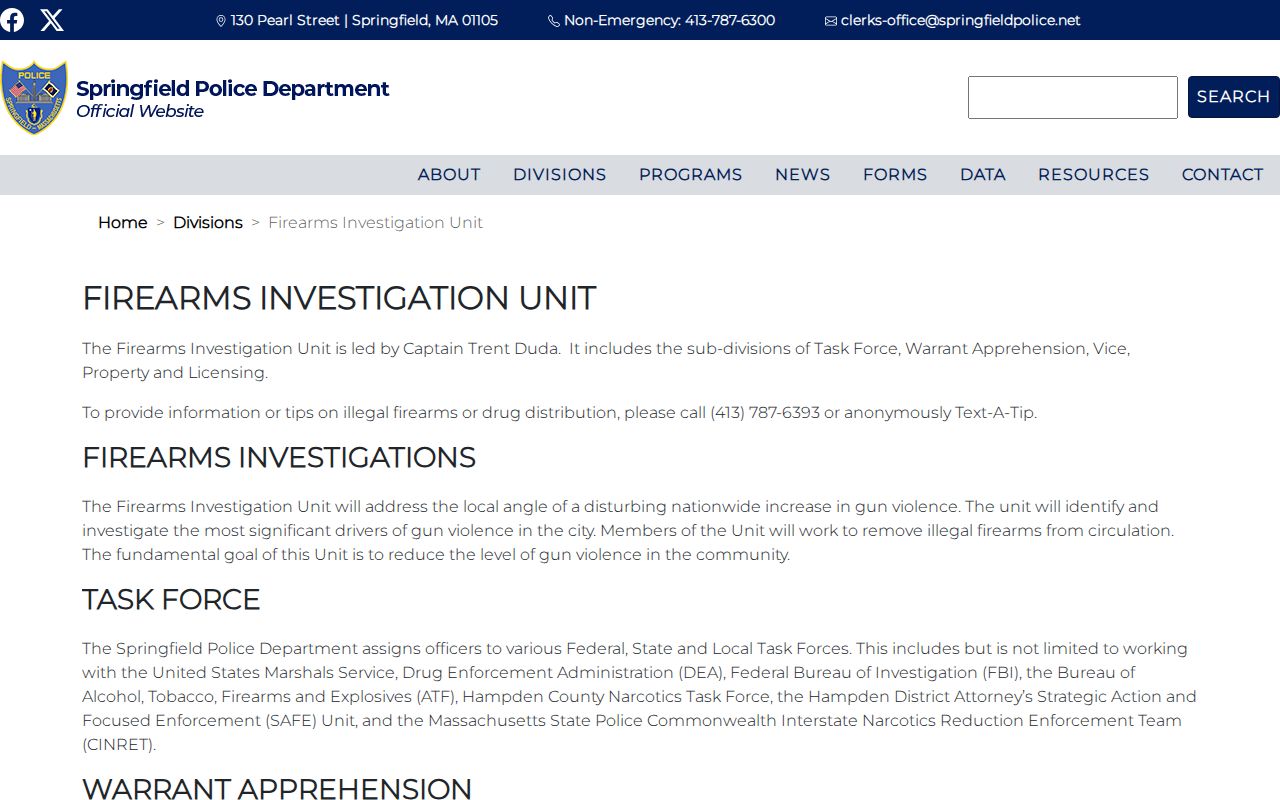
The Springfield warrant apprehension page is the clearest local example of a Hampden County unit. It describes a unit, not a lookup service. Service on the ground varies anyway. A local department may serve its own city's process, a sheriff's deputy may handle a civil or probate writ, and a task-force officer may work a case across jurisdictions. The court clerk stays the office that confirms status.
Who May Serve a Hampden Warrant
The list is wider than most people expect. Any authorized officer may execute criminal process. That covers municipal police, State Police troopers, deputy sheriffs, and federal officers working under a task-force agreement. Civil process works differently. The Hampden County Sheriff's Office process division at 95 Liberty Street serves court papers, probate arrests, child support process, and capias arrests. Its capias service is civil or family work, not a criminal arrest warrant.
Note: A civil capias at your door is not the same document as a criminal default warrant in the state system.
Comparing Arrest, Summons, and Bench Warrants
Three orders, three jobs in Hampden County courts. Knowing which one you face tells you the next step: an appearance, a payment, or a surrender.
| Point | Arrest Warrant | Summons | Bench or Default Warrant |
|---|---|---|---|
| Basis | Probable cause on a charge | A charge that does not require custody | A missed appearance, payment, or order |
| Custody | Authorizes arrest | Does not authorize arrest | Authorizes arrest until cleared |
| Typical next step | Arraignment and bail | An appearance on the date shown | A removal, recall, or payment |
| Court route | The court that issued it | The court that issued it | The court that set the original case |
A Hampden County summons that goes unanswered can turn into a default warrant. That is why the first notice matters.
Federal Warrants and Hampden County
Hampden County sits in the Springfield division of the U.S. District Court for the District of Massachusetts. Federal process is a separate sovereign. A state default stays out of federal records. A federal warrant never shows on a Massachusetts docket. Federal case access runs through PACER and the PACER Case Locator, which need an account and charge per page with quarterly waivers. The Springfield federal courthouse page lists the divisional clerk contact. Entry requires photo identification and screening.
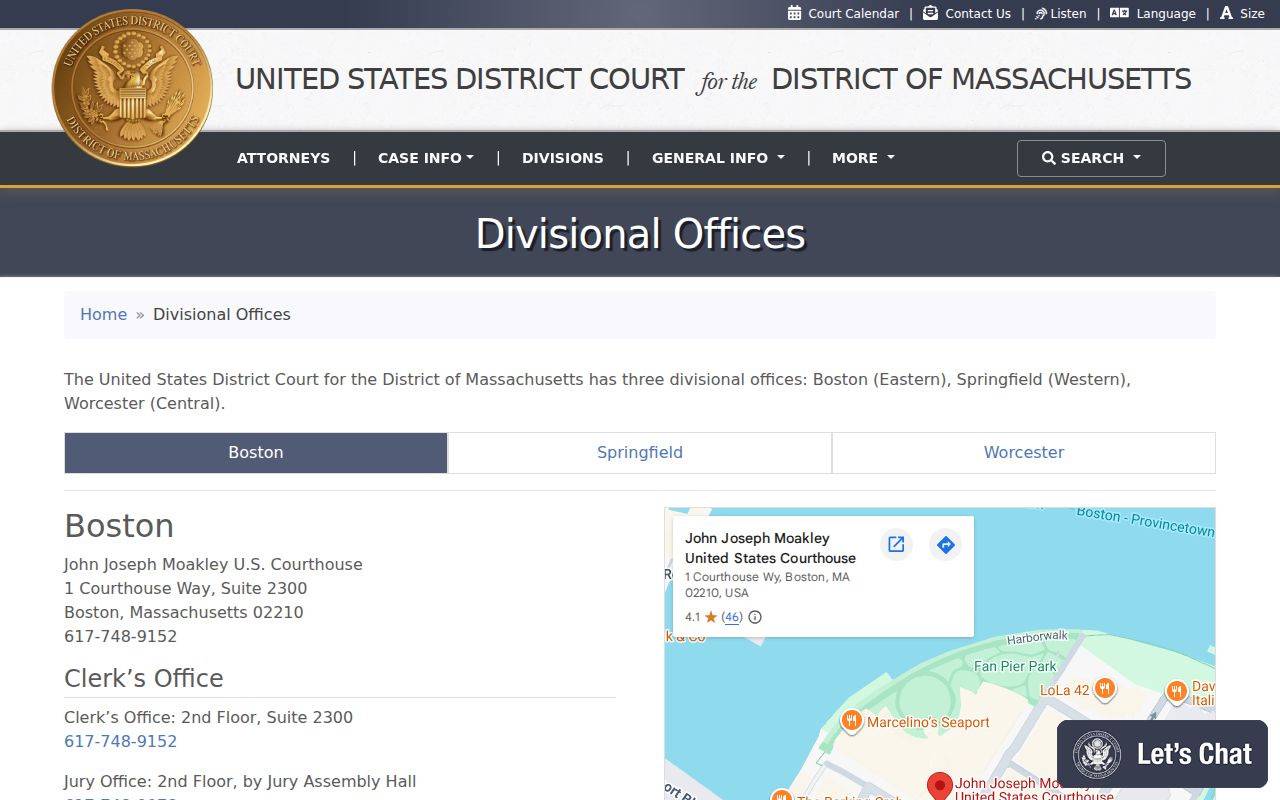
That courthouse page lists hours, security, and parking. All three differ from the state courts Hampden County uses at 50 State Street.
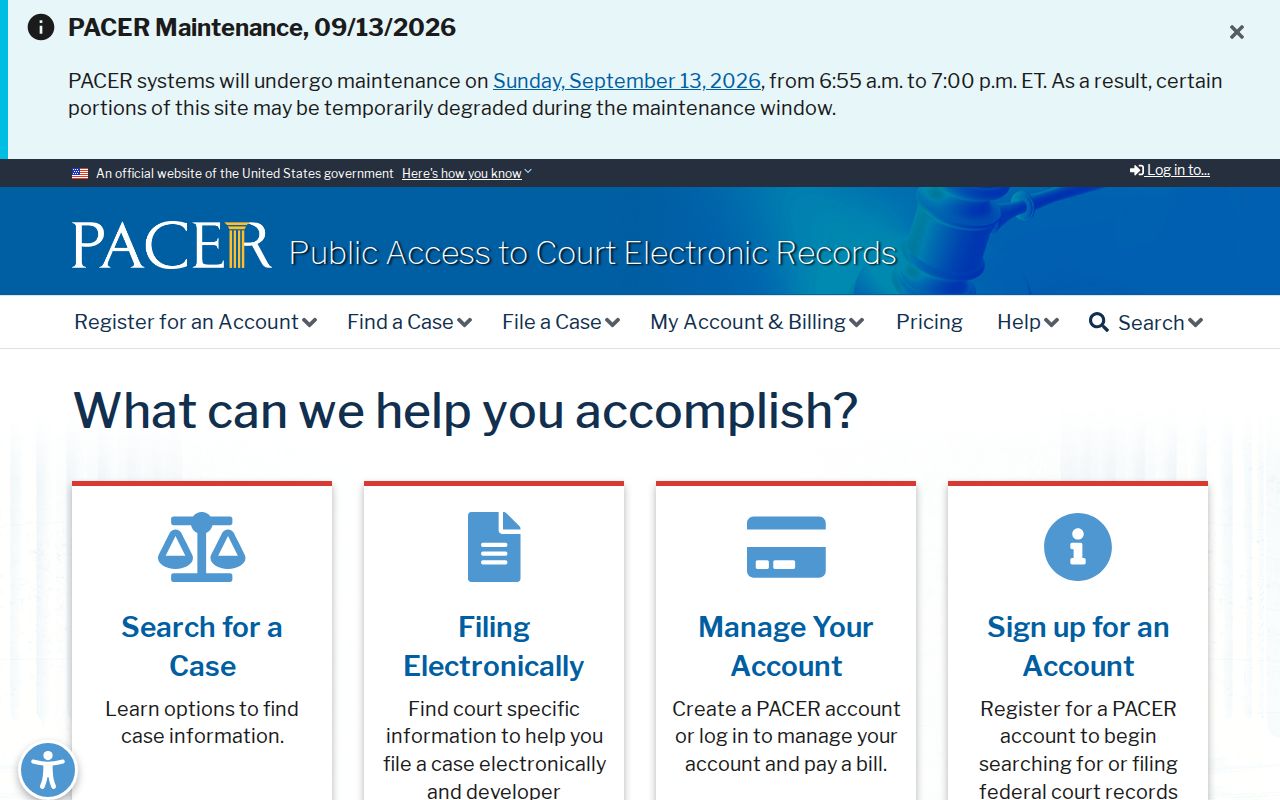
That search interface is the federal channel only, not a Hampden County or state warrant system.
Hampden County Search Warrant Papers
A search warrant authorizes a search, not an arrest. Hampden County treats its paperwork differently too. Chapter 276, section 2B keeps the application and affidavit confidential until the warrant is returned. That protection explains an empty public search on a case that plainly exists. After the return, ordinary court record rules govern access. A judge can still seal or impound specific documents.
Note: A missing search warrant record is usually a timing or sealing issue rather than a sign that nothing was filed.
If There's an Arrest Warrant for You
An open arrest warrant does not age into nothing. Hampden County warrants surface at traffic stops, courthouse doors, and any agency contact that queries the state system.
Important: Call a lawyer before you surrender. Counsel can arrange an appearance, raise bail conditions in advance, and keep you out of a holding cell while the paperwork is sorted.
Arrest can come before any court date. The Hampden County bail release process page explains how a depositor posts bail, and the state bail overview covers how a magistrate sets it.
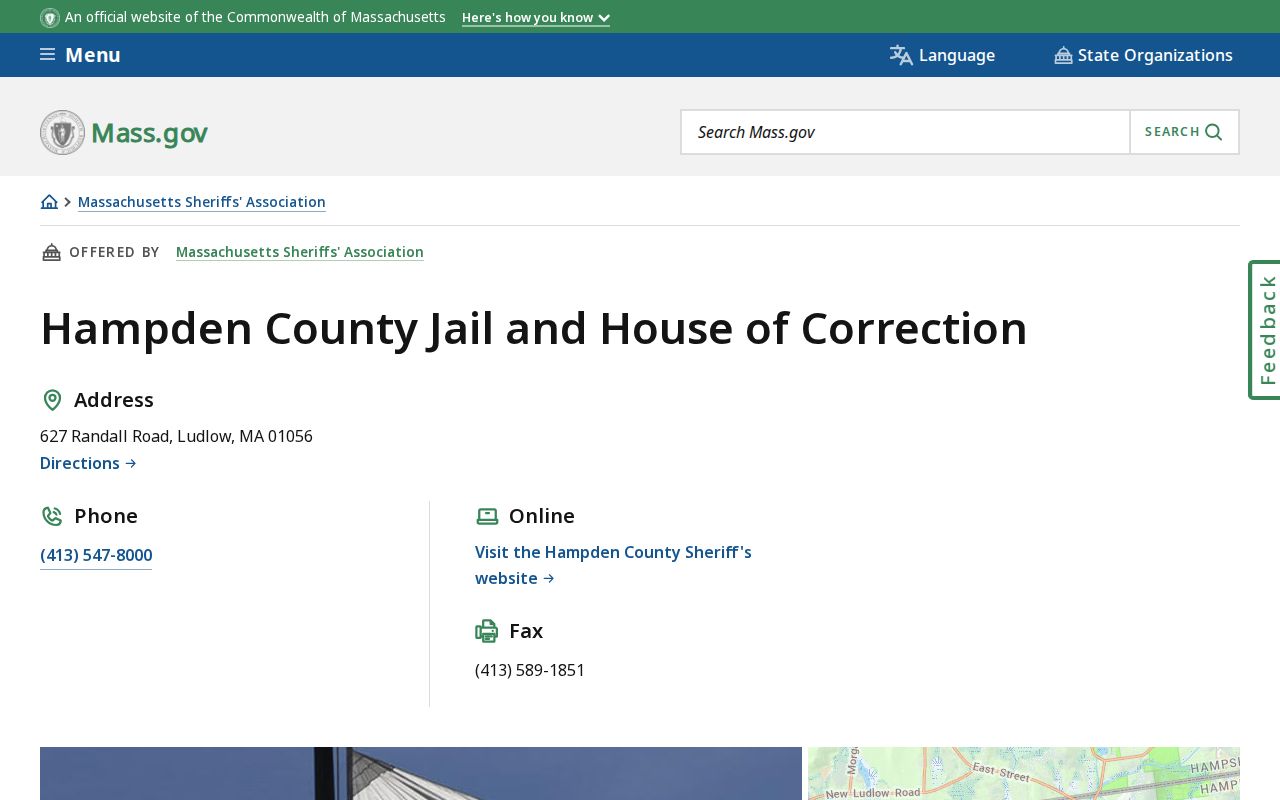
A Hampden County arrest gets you held at the county jail in Ludlow. Its published page lays out parking, access, and visitor rules. For general clearing steps, see the Hampden County warrant records overview.